Office furniture has to perform several jobs at once. It must support employees comfortably, fit the available floor area, provide adequate storage, accommodate technology, and allow the workplace to adapt as teams change.
For growing businesses, modular office furniture in Nagpur can provide a practical alternative to relying entirely on fixed furniture.
Why Businesses Consider Modular Furniture
Traditional fixed furniture may work well when a layout is unlikely to change. However, modern workplaces frequently add employees, reorganise departments, or modify seating arrangements.
Modular systems are designed around configurable units. Depending on the furniture type, components can be arranged to suit different workspace requirements.
Typical applications include:
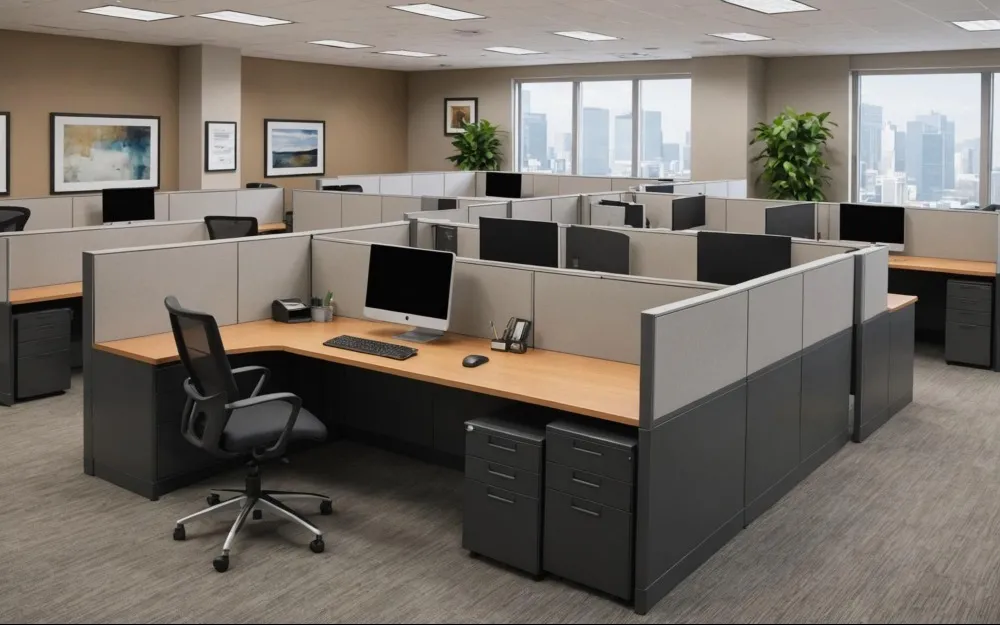
- Employee workstations
- Manager desks
- Storage units
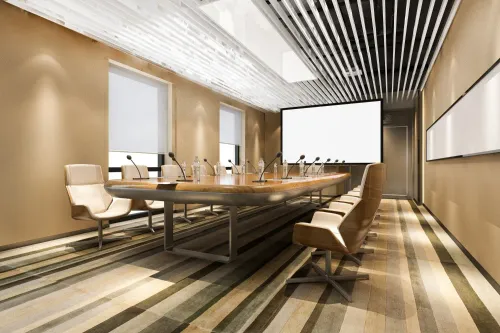
- Conference tables
- Reception counters
- Pedestal units
- Partition-based seating
- Collaborative work areas
This allows furniture planning to become part of the overall workspace strategy.
Measure the Workspace Before Selecting Furniture
Furniture should not be selected from catalogue dimensions alone.
The complete office layout needs to account for circulation routes, doors, columns, electrical points, windows, meeting spaces, and emergency movement areas.
A workstation that appears compact individually may occupy considerably more floor area once chairs, storage, and movement clearance are included.
Preparing a furniture layout before ordering can prevent overcrowding.
Think About Cable and Technology Management
Modern desks support computers, monitors, charging devices, telephones, and other equipment.
Loose wiring can create visual clutter and make maintenance inconvenient. Furniture with planned cable routes, access points, and power integration can create a more organised working environment.
Technology requirements should therefore be discussed during furniture planning rather than after installation.
Consider Future Expansion
Businesses in growing commercial areas of Nagpur may not have the same staffing requirements several years from now.
Where expansion is expected, modular furniture can be planned with future configurations in mind. Standardised workstation dimensions and compatible components may make later changes easier.
Arch'N' Angles Architect's can integrate modular furniture decisions with broader office interior planning, helping businesses consider furniture dimensions alongside circulation, lighting, storage, and workplace requirements.
The right office furniture is not necessarily the largest desk or the most elaborate design. It is furniture that fits the available area, supports everyday tasks, accommodates equipment, and remains practical as workplace requirements evolve.
Businesses comparing modular office furniture should therefore look beyond appearance and consider dimensions, materials, ergonomics, storage, cable management, configuration flexibility, and how each unit fits into the complete office plan.
Keywords